
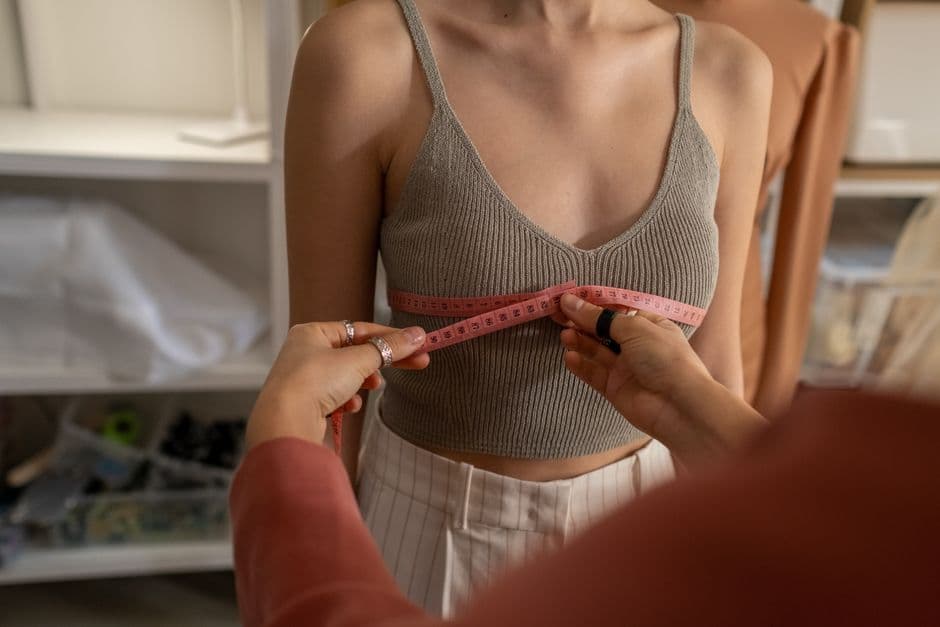
Choosing the right size requires more than looking at letters, numbers, or generic recommendations. Each brand uses its own measurements, while each person has different proportions.
Therefore, you need to compare your measurements with the product information. In addition, you should consider the fit, the material, and the purpose of the purchase. This way, you reduce errors and choose with greater confidence.
Choosing the right size starts with measurements
First, gather a measuring tape, paper, and pen. Take the measurements in a calm environment. Avoid pulling the tape too tightly against the body or object.
For clothing, record important measurements such as chest, waist, hips, shoulders, and length. However, not all products require all of these references. Always check the specific description.
In addition, note the values in centimeters. This unit makes it easier to compare with national and international size charts. If possible, repeat each measurement twice to confirm the result.
The right size depends on the brand’s size chart
After measuring, look for the brand’s official size chart. It usually indicates the range corresponding to each size. Therefore, do not choose solely based on the letter used in previous purchases.
A medium-sized garment can vary considerably between manufacturers. Likewise, footwear may have different shapes. Therefore, check the available inner measurement, length, and width.
When the store does not provide clear information, contact official customer service. You can also learn more here about return policies and purchasing guidance.
How to choose the right size considering the fit
The ideal fit depends on the desired style. Fitted clothing should follow the body without restricting movement. Loose-fitting styles, on the other hand, offer more space and comfort.
Additionally, consider the product’s fabric and construction. Stretchy materials tolerate small differences. Rigid fabrics require more precise measurements and an appropriate allowance.
If you prefer freedom of movement, choose a size compatible with your movements. However, avoid sizing up too much without need. Excess fabric can compromise the appearance and functionality.
The right size for different types of purchases
For clothing, compare your measurements with your chest, waist, and hips. For footwear, check the length of your feet at the end of the day. During this period, they may have greater volume.
For furniture, measure the available space before purchasing. Include doors, hallways, and circulation areas. This way, you avoid receiving an item that cannot pass through the entrance.
For accessories, assess comfort, fit, and intended use. Bracelets, rings, and helmets need to remain secure. However, they should not press or cause discomfort during use.
Mistakes that hinder choosing the right size
A common mistake is relying only on the size previously worn. Sizing varies between brands, collections, and categories. Therefore, update your measurements before purchasing.
Another problem arises when a person measures over bulky clothing. This practice can increase the results. Take the measurement while wearing light clothing or directly on the body, when possible.
Also avoid ignoring buyer comments. They may indicate whether the product runs small, runs large, or fits as expected. In addition, confirm the exchange conditions before completing the order.
How to choose the right size when shopping online
When shopping online, read the entire product description. Check the materials, measurements, fit, and care instructions. This information complements the brand’s size chart.
Next, compare your data with as many references as possible. Use recent reviews, images, and the manufacturer’s guidance. Even so, treat individual comments as support, not as an absolute rule.
Finally, check the exchange period and the costs involved. Also consult guidance from consumer protection agencies in official consumer portal. That way, you can shop with more information.
Checklist for finding the right size
Before completing the purchase, do a quick review. First, confirm your current measurements. Then, locate the official chart and compare each reference.
- Measure the areas indicated in the description.
- Check centimeters, not just letters or numbers.
- Assess the fit and level of comfort.
- Consider the fabric, shape, and purpose.
- Check the conditions, deadline, and costs of exchanges.
Additionally, save your measurements somewhere accessible. Update this record when there are significant changes. This way, you speed up future purchases without skipping the size chart check.
If two sizes seem suitable, analyze the cut. For fitted items, prioritize the most important measurement. For loose-fitting pieces, consider comfort and freedom of movement.
Frequently asked questions
How do you choose the right size without trying it on?
Compare your measurements with the brand's official size chart. Additionally, check the materials, cut, reviews, and exchange rules. This way, you reduce the chance of error.
Should I choose the larger or smaller size?
It depends on the product, fabric, and desired fit. Rigid materials require greater precision. Therefore, use the main measurement indicated by the brand before deciding.
Are size charts the same for all brands?
No. Each brand may use different cuts, shapes, and sizing intervals. Therefore, compare your measurements with the specific size chart for each product.
What should I do when my measurements fall between two sizes?
Consider the fit and the material’s elasticity. If you are looking for more comfort, the larger size may work better. However, confirm this choice in the reviews and the exchange policy.
Conclusion
Choosing the right size becomes simpler when you combine measurements, the official size chart, and your intended use. Therefore, do not rely solely on letters, numbers, or previous experiences.
Measure carefully, assess the fit, and confirm the store’s policies. In addition, keep your records up to date. This way, you can shop with greater confidence, comfort, and convenience.