Learn how to identify counterfeit clothing helps avoid financial losses, low durability, and problems with provenance. In addition, the analysis reduces the risk of buying products without a warranty.
An apparently original garment may have inconsistent details. Therefore, observe the overall set of signs before deciding. Labels, finishing, price, and seller make for a safer assessment.
Counterfeit clothing starts with analyzing the label
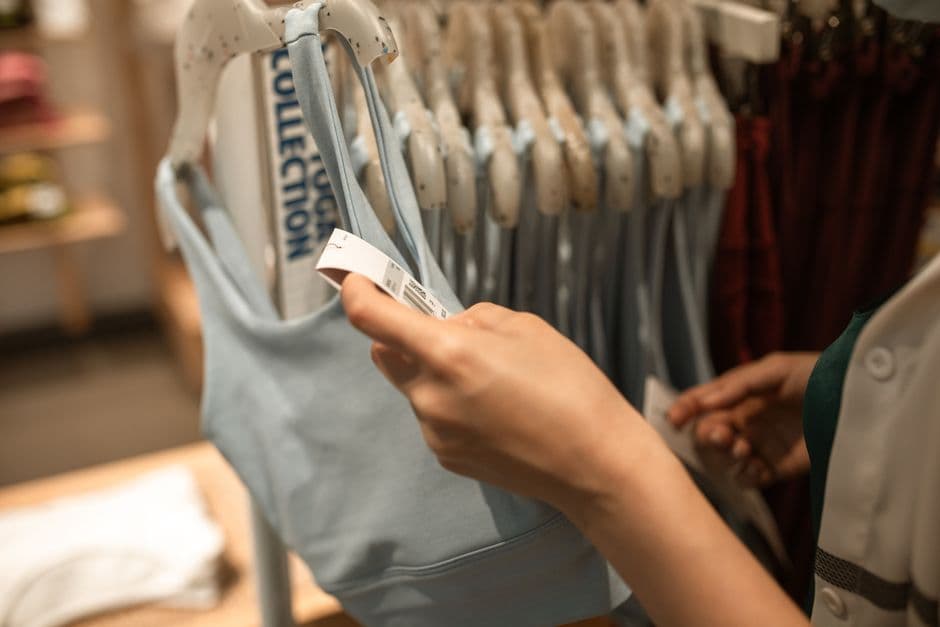
The label contains important information about the brand, size, and fabric composition. Therefore, check whether the texts are clear, aligned, and complete.
Spelling errors, different fonts, and distorted logos indicate possible irregularity. In addition, compare the label with official images from the brand.
Also check the composition label. It should provide information about fibers, washing instructions, and origin in accordance with the applicable rules. Therefore, be wary of vague or completely missing information.
How to recognize counterfeit clothing by its stitching
The finishing reveals a great deal about the quality of a garment. Therefore, examine the inner seams, hems, and points where the fabric joins.
Loose threads, irregular stitching, and excess threads deserve attention. However, an isolated defect does not confirm a counterfeit. Assess several elements together.
Also check zippers, buttons, eyelets, and sewn-in labels. In genuine products, these components usually follow a visual standard. However, the standard may vary between collections.
Counterfeit clothing may have different fabric and print
Touch the fabric and observe its thickness, elasticity, and finish. Therefore, compare the garment with the official description available on the brand's website.
Misaligned prints, significantly different colors, and blurry designs are warning signs. In addition, analyze the position of the symbols and the proportions of the logo.
A very strong perfume, stains, and unusual texture also require caution. However, fabric variations may occur across different lines. Always confirm the exact model before drawing a conclusion.
Price and origin help identify counterfeit clothing
A price far below the brand's usual price requires investigation. After all, genuine discounts may exist, but they need to have a clear commercial justification.
Check the seller's name, tax identification number, reviews, and return policies. In addition, prefer official channels or recognized resellers.
Ask for an invoice and keep receipts, advertisements, and conversations. This way, you create useful records in case you need to dispute the purchase. For guidance on consumer relations, consult the official consumer portal.
How to confirm counterfeit clothing before purchase
First, search for the code, model name, and images published by the brand. Then, compare colors, labels, measurements, and included accessories.
When possible, visit an authorized store and request an assessment. However, avoid removing labels or altering the item before clarifying any questions.
You can also seek additional information through customer service channels. To organize other purchase checks, learn more here. Therefore, maintain a cautious attitude, without making hasty accusations.
Frequently asked questions
What is the first sign of a counterfeit garment?
Start with the label, finish, and origin of the item. Also, compare the product with official images. A single detail does not confirm a counterfeit, but several signs together call for caution.
Does a low price confirm that the clothing is counterfeit?
No. Promotions, sales, and items from previous collections may have lower prices. Therefore, check the seller, receipt, description, and commercial terms before deciding.
How can I report the sale of counterfeit clothing?
Keep advertisements, receipts, conversations, and product images. Then, contact the channels of the marketplace, the brand, and consumer protection agencies. Also, avoid making accusations without evidence.
Does the label guarantee that the clothing is genuine?
Not necessarily. Counterfeiters can also copy labels. Therefore, analyze the material, stitching, code, seller, and documentation together.
Conclusion
Identifying a counterfeit item of clothing requires attention to several details. Examine the label, stitching, fabric, print, price, and origin before buying.
Additionally, prefer trustworthy channels, request an invoice, and keep the receipts. This way, you reduce risks and make a safer decision.