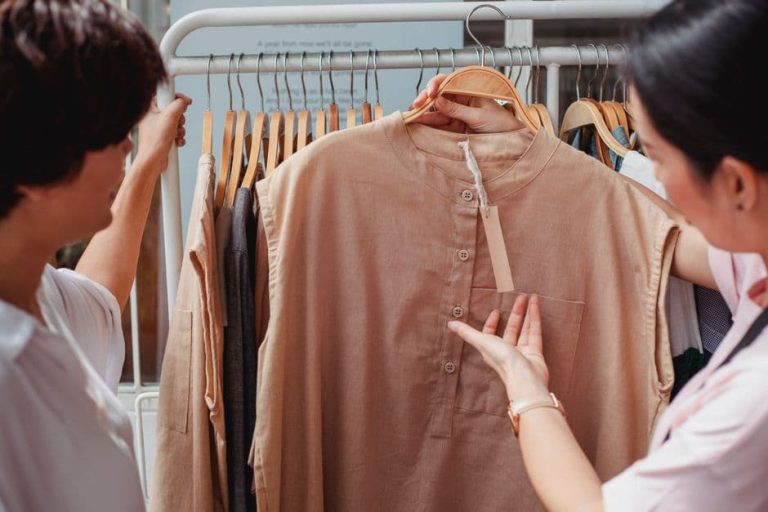

Sustainable fashion is worth it when you assess how much you actually use the pieces, not just the price on the tag. The idea involves buying better, extending the useful life of clothes, and reducing unnecessary discards.
In addition, conscious consumption does not require replacing your entire wardrobe immediately. You can start with simple choices, such as researching materials, avoiding impulse purchases, and prioritizing versatile pieces.
Is sustainable fashion worth it for your budget?
At first glance, sustainable clothing may cost more. This is because some brands invest in durable materials, responsible production, and better working conditions.
However, the initial price alone does not show the true cost of a piece. A cheap T-shirt worn only a few times may cost more per wear than a durable garment.
To compare, divide the garment's price by the estimated number of wears. Therefore, a versatile piece can offer greater savings over the following months or years.
How to calculate the cost per wear
Imagine a jacket costing R$ 300, worn fifty times. The approximate cost is R$ 6 per wear, without considering maintenance and repairs.
Now, compare this result with a jacket costing R$ 120, worn only five times. In this case, each wear costs R$ 24.
This calculation does not turn a purchase into a guaranteed investment. Even so, it helps you assess quality, frequency of use and actual need.
Is sustainable fashion worth it for reducing impacts?
The fashion industry uses water, energy, fibers and transportation at different stages. In addition, rapid disposal increases pressure on waste management systems.
You can reduce part of this impact by using a garment for longer. Repairing, altering, swapping and buying second-hand clothes also extends the circulation of products.
However, no choice eliminates all impacts. Therefore, look for clear information about composition, origin, durability and washing care.
The United Nations Environment Programme brings together information about global environmental challenges. Consult reliable sources before accepting commercial claims.
Materials require careful analysis
Natural, recycled, and synthetic materials have different advantages and limitations. Therefore, there is no perfect fiber for every situation.
Some clothes require less frequent washing, while others dry quickly and last longer. The best material depends on the climate, function, and routine.
Additionally, check the complete composition on the label. Generic terms, such as “eco-friendly” or “conscious,” do not replace verifiable information.
How to shop more sustainably
Before buying, look at your wardrobe and identify real gaps. This step prevents you from acquiring similar versions of pieces you already own.
Next, ask yourself three questions: will I wear this garment many times? Does it go with other pieces? Can I care for it properly?
If one answer seems negative, postpone the purchase. Therefore, a list of needs helps separate a momentary desire from a planned decision.
- Prefer pieces that are compatible with your current style.
- Check the measurements, composition, and washing instructions.
- Research the brand’s reputation before paying.
- Consider thrift stores, swaps, and pre-owned pieces.
It is also worth learning about exchange, repair, and reverse logistics policies. Transparent companies tend to explain their processes and limitations better.
You can learn more here about criteria for evaluating brands and organizing conscious purchases.
The role of durability
Durability does not only mean thick fabric or a sturdy appearance. Strong seams, good finishing, and a proper fit also influence the useful life.
In addition, choose clothes that you can wash and store easily. A garment that is too delicate may remain forgotten in the closet.
Simple care helps: follow the label, avoid unnecessary washing, and repair minor damage quickly. This way, you preserve the garment for longer.
Is sustainable fashion worth it in everyday life?
Yes, especially when the concept fits your financial reality. Sustainability should not require going into debt or constantly buying new products.
You can start by making better use of what you already have. Create different combinations, make small adjustments, and organize clothes by frequency of use.
In addition, wash less whenever possible, dry clothes properly, and avoid harsh products. These actions reduce wear and may lower household expenses.
Conscious consumption without perfectionism
Sustainable consumption does not need to follow strict rules. Each person faces different budgets, professional needs, and access conditions.
Therefore, set realistic priorities. Perhaps your first change will be to buy less, while the next involves choosing a different fiber.
The important thing is to observe the results and maintain manageable habits. Consistent decisions are often more useful than radical, temporary changes.
Also evaluate the brands’ communication. Be wary of vague statements, unsubstantiated benefits, and promises that do not explain processes.
When necessary, look for recognized certifications and public documents. Even so, read the criteria, because each certification evaluates specific aspects.
In this way, you turn a purchase into an informed decision. The goal is not to achieve perfection, but to reduce waste whenever possible.
Frequently asked questions
Is sustainable fashion worth it even at a higher price?
In many cases, yes. Evaluate the cost per use, durability, and how often you will wear the garment. However, do not buy beyond your budget.
How do you start consuming sustainable fashion?
Start by making better use of the clothes you already own. Then, plan your purchases, research brands, consider second-hand pieces, and choose products that go well with your wardrobe.
Are clothes made from recycled materials always sustainable?
Not necessarily. Analyze the composition, durability, origin, and care requirements. In addition, look for verifiable information about the production process.
Does buying from thrift stores help sustainability?
Yes, buying second-hand can extend a garment’s life and avoid immediate new production. Even so, choose clothes that are genuinely useful for your routine.
}],
What is the main sustainable practice in fashion?
Using each garment for longer is usually one of the most practical actions. Therefore, care for, repair, and reuse your clothes, and dispose of them only when necessary.
Conclusion
Sustainable fashion is worth it when it combines environmental responsibility, financial planning, and real needs. You do not need to change everything at once.
Start with the wardrobe you already have, shop intentionally, and compare the cost per use. In addition, choose transparent brands and take better care of each piece.