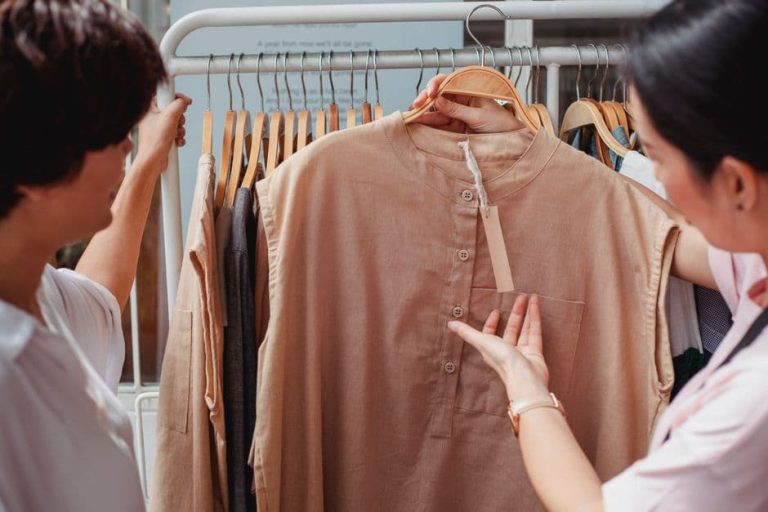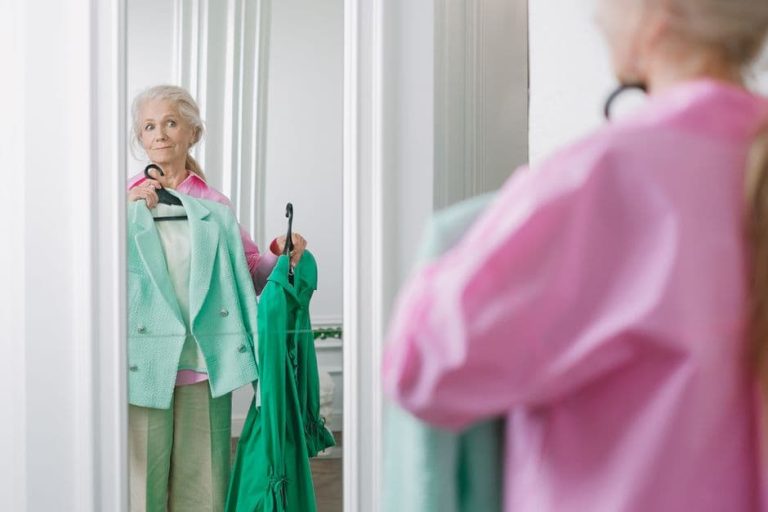
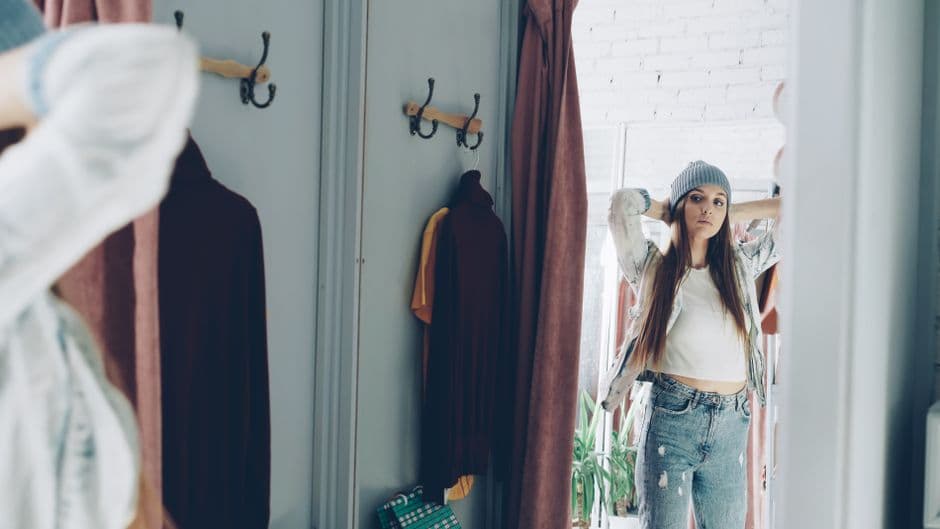
Choose clothing for every body type becomes simpler when you understand proportions, fit, and comfort. In addition, knowing your preferences helps you create authentic combinations.
This guide shows you how to select cuts, fabrics, and lengths for different silhouettes. Therefore, use the tips as a reference, not as mandatory rules. The best clothing is what respects your body and suits your routine.
Clothing for every body type: understand your proportions
Before buying a garment, observe the relationship between your shoulders, waist, and hips. This analysis reveals which areas you want to highlight or balance.
However, no format defines your beauty, personality, or style. The classification serves only as a visual tool to make choices easier while shopping.
In addition, the fit usually matters more than the size indicated on the label. Try different cuts and check whether the garment allows natural movement.
Hourglass body type: accentuate the waist
The hourglass body type features shoulders and hips that appear visually balanced. The waist usually appears more defined. Garments that follow this line create a harmonious result.
Wrap dresses, fitted blazers, and mid- or high-rise pants work well. In addition, belts can highlight the waist without constricting the body.
Avoid choosing very loose clothing just to hide your silhouette. Therefore, prefer moderately structured fabrics and cuts that follow your curves.
Triangle body type: balance the silhouette
In the triangle body type, the hips appear wider than the shoulders. To balance the composition, you can add visual interest to the upper body.
Tops with statement sleeves, interesting necklines, and prints on the upper part help achieve this effect. In addition, structured jackets create presence around the shoulders.
For the lower half, straight-leg trousers and skirts in solid colors offer a more balanced look. However, you can also wear prints if they express your style.
Inverted triangle body type: soften the shoulders
The inverted triangle body type has shoulders that are wider than the hips. In this case, lower-body pieces can create visual balance.
Wide-leg trousers, A-line skirts, and shorts with details subtly enhance the hip area. Therefore, choose lengths that offer freedom and security.
For the upper half, V-necks and fluid fabrics can elongate the area. If you wish to soften the shoulders, avoid shoulder pads and very voluminous sleeves.
Rectangle body type: create lines and movement
The rectangle body type has similar measurements across the shoulders, waist, and hips. Pieces with cutouts can create more visual definition.
Wrap dresses, moderately voluminous skirts, and peplum tops help define the waist. In addition, layering adds depth to the look.
Belts, textures, and color combinations also create points of interest. However, keep comfort a priority throughout the day.
Oval body type: prioritize fit and comfort
The oval body type usually concentrates more volume in the central region. The goal does not have to be hiding this area, but rather creating a comfortable fit.
V-neck blouses, open shirts, and third pieces create vertical lines. In addition, substantial fabrics prevent transparency and excessive clinging.
Straight-leg pants, empire-waist dresses, and monochromatic looks can elongate the silhouette. Therefore, observe the result in the mirror and adjust the proportions according to your preference.
How to choose fabrics, colors, and sizes
The fabric completely changes the appearance of a garment. Fluid fabrics follow movement, while structured materials maintain the garment's shape.
Light colors draw attention, while dark tones reduce visual contrast. However, this perception depends on the cut, lighting, and the complete combination.
In addition, do not choose smaller clothes expecting a future body change. Prefer your current size and have adjustments made by a seamstress when necessary.
For references on fit and comfort, also consult information from the Inmetro. Then, learn more here about practical combinations for different occasions.
How to put together looks for every body type
Start by choosing a main piece that you genuinely want to wear. Then, add items that complement your proportions and your routine.
A simple combination might include well-fitting trousers, a comfortable blouse, and a third layer. In addition, accessories draw the eye and refresh basic outfits.
Before finishing, observe the outfit from the front, side, and while moving. Therefore, walk, sit down, and check whether the clothing remains comfortable.
- Choose cuts that allow movement.
- Combine different volumes on the top and bottom.
- Use colors and prints according to your personality.
- Prioritize fabrics suitable for the weather and the occasion.
Frequently asked questions
How can I discover my body type?
Observe the relationship between your shoulders, waist, and hips. You can also take measurements, but use the result only as a reference when choosing clothes.
Are there clothes that are forbidden for any body type?
No. Everyone can wear whatever piece they want. The suggestions are meant to guide proportions, but your comfort and identity come first.
What clothing flatters all body types?
Well-fitting pieces, comfortable fabric, and the right size work for different silhouettes. Wrap dresses and straight-leg pants are versatile options.
How can you wear prints without throwing off your look?
Pay attention to the size of the print and pair it with solid-colored pieces. In addition, use the print on the area you want to highlight.
Conclusion
Choosing clothes for each body type involves considering proportions, fit, and personal preferences. Therefore, do not turn these tips into limitations.
Try different cuts, adapt the pieces, and prioritize your comfort. This way, you create looks that are consistent with your routine, personality, and style.