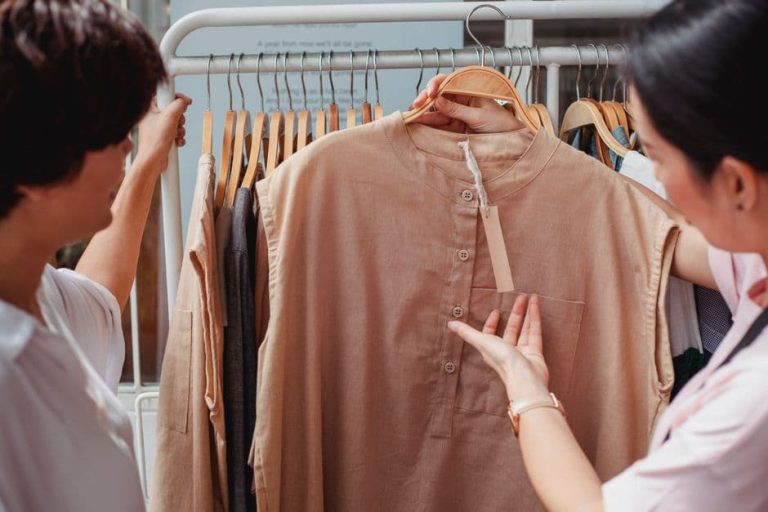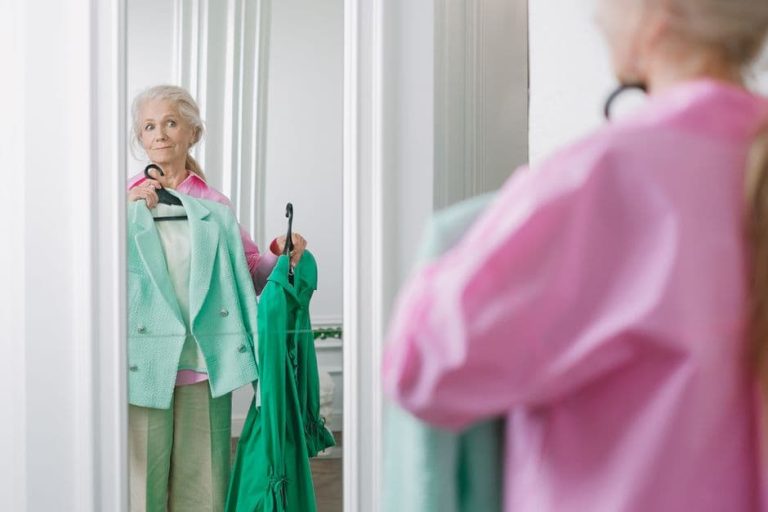
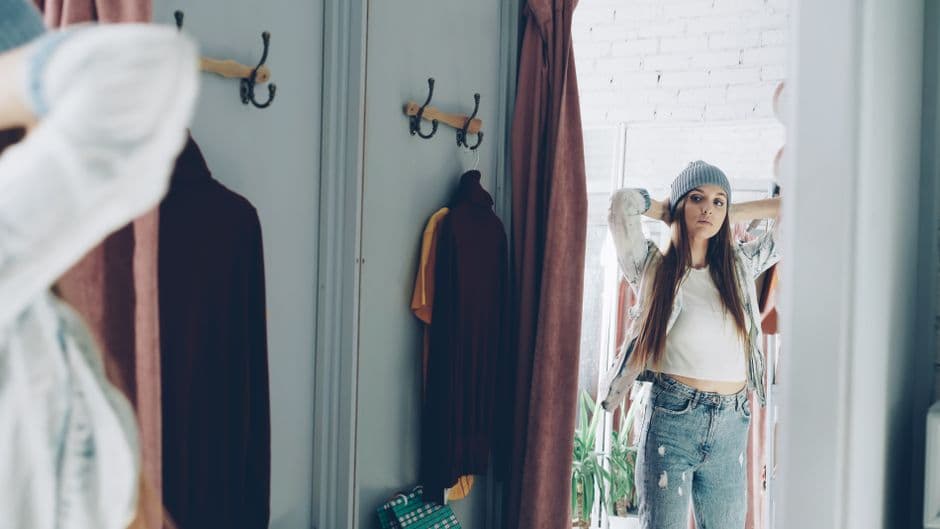
Find clothes that flatter the body does not mean following strict rules or hiding certain areas. In practice, it means choosing pieces that offer comfort, a good fit, and visual balance.
In addition, every body has different proportions, preferences, and styles. Therefore, the best look combines the right cut, comfortable fabric, and details that express your personality.
Clothes that flatter the body start with the fit
The fit directly influences the appearance of any outfit. A piece that is too tight can restrict movement, while an excessively loose piece can hide the silhouette unnecessarily.
Therefore, check whether the clothing follows the body without pulling. Aligned seams, well-positioned shoulders, and hems at the correct length make the look more polished.
In addition, consider small adjustments. A seamstress can alter the waist, shorten a hem, or adjust sleeves. This way, a simple piece gains a more sophisticated and functional appearance.
How to balance the proportions of your look
Balancing proportions helps create visually harmonious looks. To do this, combine different volumes in distinct parts of the outfit.
For example, a looser blouse can work with straight-leg trousers or a more fitted skirt. Likewise, a voluminous bottom can be paired with a more structured blouse.
However, this guidance is not an obligation. Use it as a starting point and adapt the combinations to your taste. The most important thing is to feel confident and free when wearing each piece.
Clothes that flatter the body in different cuts
Defined waists can highlight the structure of the look and create a sense of definition. Wrap dresses, fitted blazers, and mid- or high-rise trousers create this effect.
Straight cuts also help those who prefer a discreet, contemporary look. Shirts, straight-leg pants, and dresses with simple lines create an elegant appearance without requiring many accessories.
In addition, V-neck pieces can visually elongate the neckline area. Square necklines, on the other hand, add structure. Always choose the one that suits your comfort and personality.
Colors, prints, and fabrics that make a difference
Colors guide the eye and help convey the message of the look. Similar tones create continuity, while contrasts highlight certain areas of the outfit.
Prints can also contribute to this balance. Smaller designs create a delicate impression, while larger patterns have more presence. Therefore, choose the print size according to the desired effect.
The fabric deserves the same attention. Structured materials shape the silhouette, while fluid fabrics create movement. Before buying, check transparency, stretch, and comfort throughout the day.
Clothes that flatter the body and strategic accessories
Accessories complete the composition and can direct the focus of the look. A necklace draws attention to the neckline, while a belt highlights the waist area.
Likewise, handbags, shoes, and earrings help balance the outfit. A shoe in a shade similar to that of the pants can create continuity, for example.
However, avoid adding elements just because they are fashionable. Choose accessories that you will actually use. To expand your style references, also consult fashion and trend references and learn more here.
How to put together a look in a practical way
Start with the occasion and the level of comfort required. Then, choose a main piece and build the rest of the outfit around it.
Next, look at the outfit in the mirror. See whether the colors work well together, whether the volumes are balanced, and whether you can move naturally.
Finally, try the look with different shoes and accessories. Often, a small change transforms the outfit without requiring new purchases.
Frequently asked questions
Which clothes best flatter the body?
The best options are those with a good fit, comfortable fabric, and a cut that aligns with your style. Wrap dresses, straight-leg pants, structured blazers, and pieces with a defined waist can work well, depending on your preference.
Do loose-fitting clothes flatter the silhouette?
Yes. Loose-fitting clothes can create elegant looks when they offer balance. Pair a loose piece with a more structured one or adjust certain details, such as sleeves and hems.
How do you choose clothes that flatter your body without following trends?
Prioritize comfort, quality, and pieces that fit your routine. Also, notice which cuts make you feel confident. Personal style should guide your choices more than any trend.
Are dark colors mandatory to flatter your body?
No. Light, vibrant, and patterned colors can also enhance your look. The result depends on the combination of cut, proportion, fabric, and aesthetic intention.
Conclusion
Choosing clothes that flatter your body involves more than following fashion standards. Fit, comfort, proportions, and details need to work together.
Therefore, try different cuts and observe what works in your routine. Over time, you identify the pieces that highlight your personality and make your choices easier.
Also, do not be afraid to adapt the rules. The best clothing is what allows movement, conveys confidence, and represents who you are.